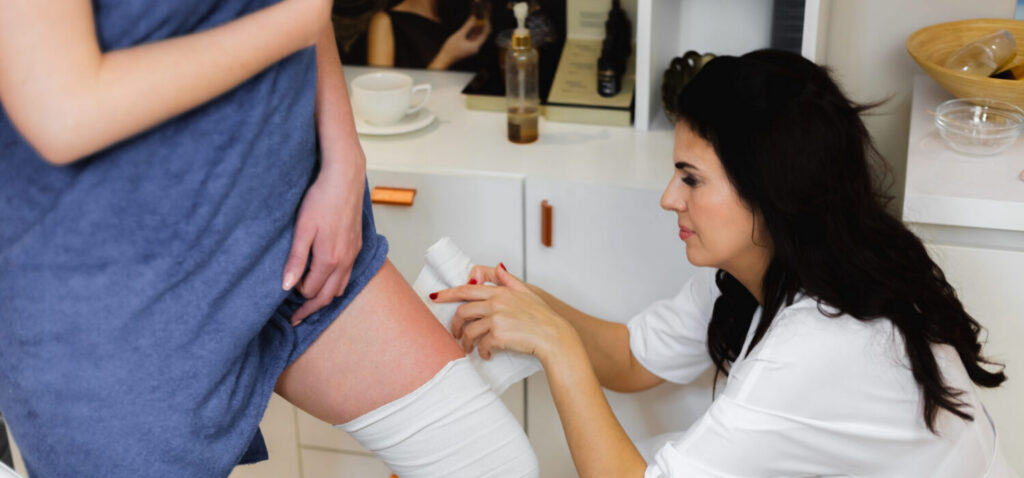
Healthcare facilities across California are facing increasing pressure to improve patient outcomes while managing complex clinical conditions. Chronic and non-healing wounds—such as pressure injuries, diabetic ulcers, and post-surgical complications—remain among the most persistent challenges in skilled nursing and post-acute care settings.
Mobile wound care services across California are changing how facilities address these challenges. By delivering advanced wound expertise directly to healthcare settings, mobile providers help reduce delays in treatment, improve healing timelines, and strengthen regulatory compliance.
For administrators and clinical leaders, mobile wound care represents a shift toward more proactive, outcome-driven care.
Why Mobile Wound Care Is Growing in California
Several healthcare trends are driving demand for mobile wound care services:
- An aging population with higher acuity levels
- Rising rates of diabetes and vascular disease
- Increased CMS scrutiny on pressure injuries
- Hospital readmission reduction initiatives
- Staffing shortages in long-term care settings
Chronic wounds require consistent monitoring and specialized treatment. When care is delayed or inconsistent, wounds can deteriorate quickly, leading to infections, extended stays, and avoidable hospital transfers.
Mobile wound care bridges this gap by bringing specialist oversight directly into the facility environment.
What Mobile Wound Care Services Include
Mobile wound care is structured, specialist-led, and focused on measurable clinical improvement.
Comprehensive Wound Assessments
Effective treatment begins with accurate evaluation. Mobile wound care specialists typically assess:
- Wound type and etiology
- Accurate staging and measurements
- Infection risk
- Circulatory and vascular factors
- Contributing comorbidities
- Nutritional impact
Thorough assessment ensures the treatment plan addresses root causes rather than just symptoms.
Advanced Treatment Modalities
Depending on wound severity and patient condition, mobile providers may implement:
- Negative pressure wound therapy
- Advanced antimicrobial dressings
- Debridement procedures
- Compression therapy
- Offloading techniques
- Biologic or advanced wound products
These interventions are tailored and adjusted based on healing progression.
Ongoing Monitoring and Documentation
Routine rounding and consistent documentation are critical components of mobile wound care. Regular measurement and tracking allow for:
- Timely treatment adjustments
- Regulatory compliance support
- Reimbursement justification
- Risk mitigation
Structured documentation strengthens survey readiness and protects facility performance metrics.
Clinical Benefits for Healthcare Facilities
Mobile wound care services deliver clear clinical advantages across California facilities.
Reduced Hospital Transfers
Early specialist intervention prevents minor wounds from progressing into severe infections that require acute hospitalization.
Faster Healing Timelines
Evidence-based treatment strategies accelerate recovery and reduce prolonged wound cycles.
Improved Infection Control
Consistent wound oversight decreases the likelihood of complications and secondary infections.
Stronger Quality Outcomes
Improved healing rates positively influence facility ratings, quality measures, and overall patient satisfaction.
Operational Advantages Beyond the Bedside
Mobile wound care also improves operational efficiency.
Reduced Transportation Burden
Transporting residents to off-site wound clinics can be costly and disruptive. On-site services eliminate unnecessary logistical challenges.
Staff Collaboration and Support
Mobile specialists work alongside nursing teams, reinforcing prevention protocols and strengthening internal knowledge.
Enhanced Compliance Readiness
Accurate staging, consistent monitoring, and structured documentation reduce deficiencies during CMS and California Department of Public Health surveys.
Common Wounds Managed Through Mobile Services
Across California, mobile wound care providers frequently treat:
- Pressure injuries (Stage I–IV)
- Diabetic foot ulcers
- Venous stasis ulcers
- Arterial ulcers
- Post-surgical wounds
- Traumatic skin injuries
- Non-healing chronic wounds
As chronic disease prevalence increases statewide, access to specialized wound expertise continues to grow in importance.
What Facilities Should Consider When Evaluating Mobile Wound Care
Choosing the right mobile wound care provider is critical. Facilities should assess:
- Board-certified wound care expertise
- Experience in skilled nursing and post-acute environments
- Clear documentation and reporting systems
- Consistent rounding schedules
- Collaborative communication with leadership
- Measurable clinical outcomes
A strong mobile wound care program integrates seamlessly into existing workflows and aligns with both clinical and compliance goals.
How Prime Health Group Supports Facilities Across California
PrimeHealth provides mobile wound care services across California, delivering specialized clinical expertise directly to healthcare facilities. Their model focuses on comprehensive assessments, evidence-based treatment, consistent follow-up, and strong documentation practices.